Extreme heat waves are making our cities buckle. Investing in urban nature is no longer optional.
Green spaces in cities are functioning components of urban infrastructure that deserve the same level of planning, investment and accountability as any engineered system.
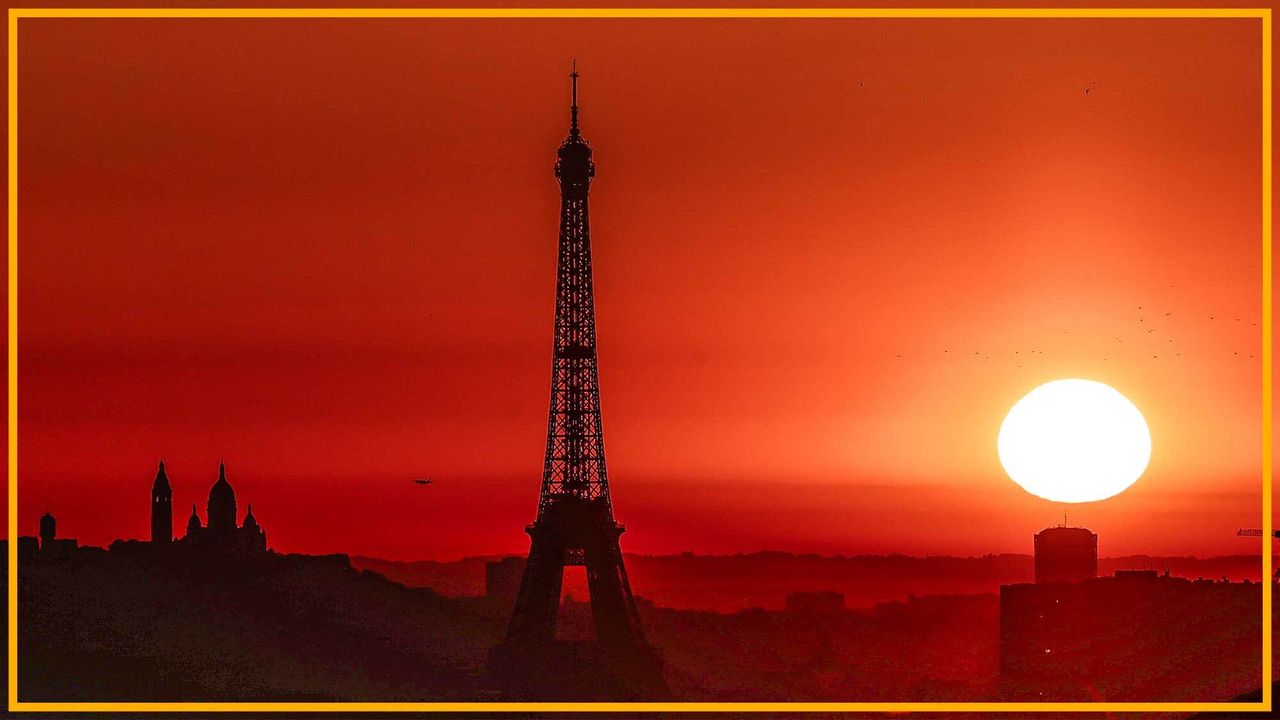
Green spaces in cities are functioning components of urban infrastructure that deserve the same level of planning, investment and accountability as an
Read Full Story at Live Science →Why This Matters
Urban heat islands are no longer a theoretical concern—they’re reshaping how cities function, straining energy grids, and deepening socioeconomic divides. The cost of inaction isn’t just measured in dollars but in preventable deaths and eroded public health, making urban nature an urgent public investment rather than a luxury amenity.
Background Context
Decades of prioritizing concrete and steel over green infrastructure have left many cities with less than 10% tree canopy coverage in dense areas, while wealthier neighborhoods often enjoy 30% or more. Zoning laws and short-term budget cycles have historically treated parks as optional, despite evidence that they reduce cooling costs and lower crime rates.
What Happens Next
Cities will likely face mounting legal pressure to meet climate adaptation benchmarks, with lawsuits targeting municipal inaction on extreme heat. Meanwhile, the divide between cities that invest in green infrastructure and those that don’t could widen, creating winners and losers in an era of climate-induced urban inequality.
Bigger Picture
This crisis reflects a broader reckoning: climate adaptation is no longer a future problem but a present-day infrastructure challenge. The shift toward nature-based solutions signals a potential realignment of urban governance, where ecological resilience is treated as a core civic duty rather than a secondary priority.