Harvard scientists turn a silicon chip into a DNA writing machine
Scientists have created a silicon chip that can write dozens of DNA sequences simultaneously using electricity and water-based enzymes, offering a cleaner alternative to conventional DNA manufacturing
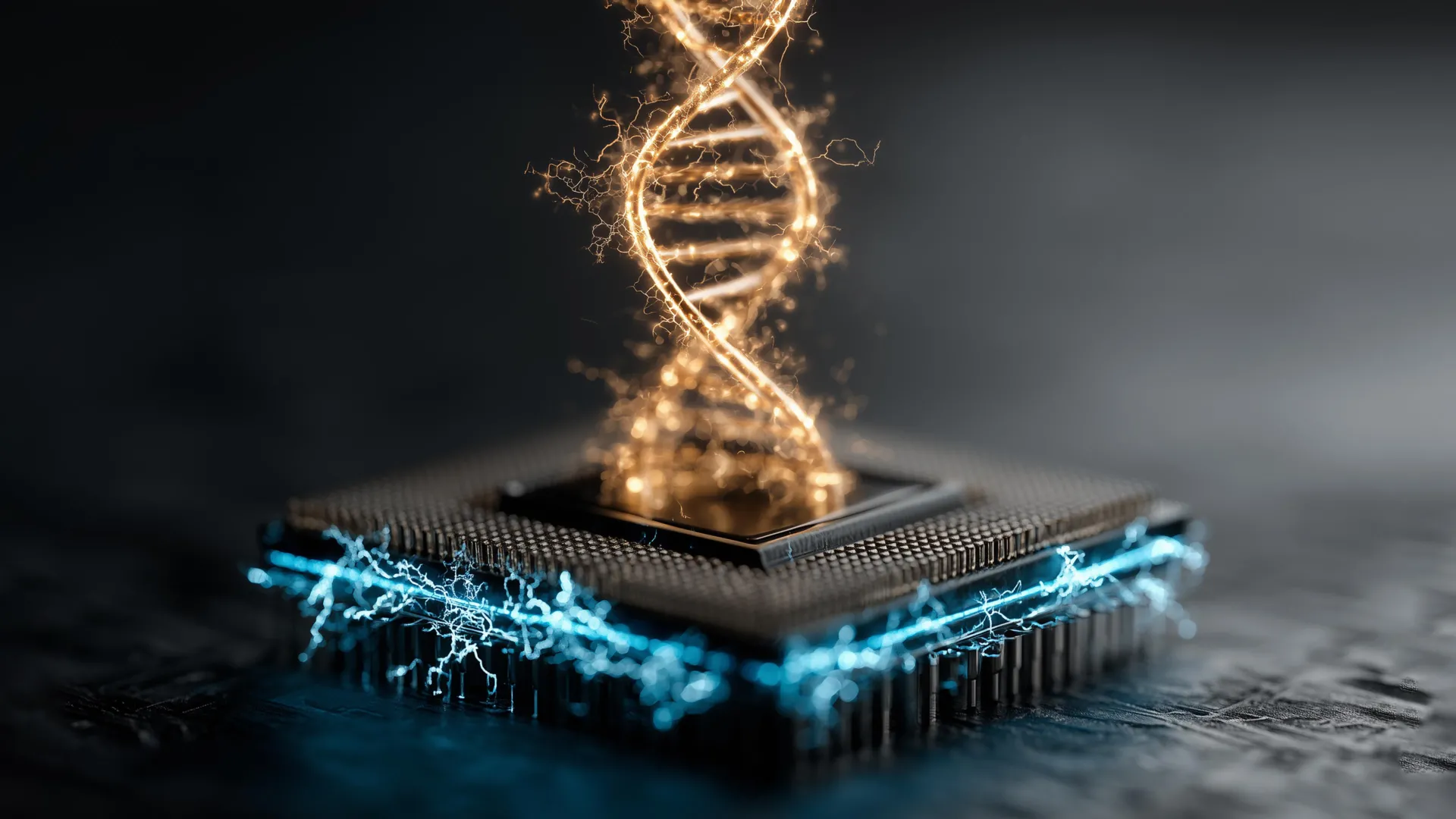
Scientists have created a silicon chip that can write dozens of DNA sequences simultaneously using electricity and water-based enzymes, offering a cle
Read Full Story at ScienceDaily →Why This Matters
The breakthrough transforms DNA synthesis from an expensive, resource-intensive process into a scalable technology with potential to democratize synthetic biology. By integrating electrical control with biological precision, it bridges decades of semiconductor innovation with the burgeoning demand for custom genetic material in medicine, agriculture, and computing.
Background Context
Traditional DNA synthesis relies on phosphoramidite chemistry, a method developed in the 1980s that requires toxic solvents and generates hazardous waste. The $1 billion synthetic DNA industry remains concentrated in a handful of specialized labs, limiting access for researchers and startups. Meanwhile, the semiconductor industry’s decades of progress in miniaturization and automation now provide a blueprint for reimagining biological manufacturing.
What Happens Next
Watch for rapid iteration toward standardized chips capable of writing longer, error-free sequences at industrial volumes. Regulatory scrutiny will intensify as synthetic DNA enters fields like germline editing and bioengineered crops, while cost reductions could trigger a surge in DIY biohacker communities and corporate bioprospecting. The biggest question: whether this technology accelerates the timeline for personalized gene therapies or deepens the divide between labs with access and those without.
Bigger Picture
This development signals a broader convergence of biological and digital systems, where living systems are increasingly programmed like code. It aligns with trends like lab-grown materials, synthetic lifeforms, and AI-driven protein design—all pointing toward a future where biology is not just studied but manufactured at scale. The shift could redefine global supply chains, intellectual property regimes, and even the definition of "natural" in commercial products.