Start-ups test carbon storage methods in ocean to combat climate change
Start-ups like Running Tide, Project Vesta, and Ocean Alkalinity are testing methods to dissolve carbon dioxide in the ocean to combat climate change, aiming to significantly increase the ocean's abi…
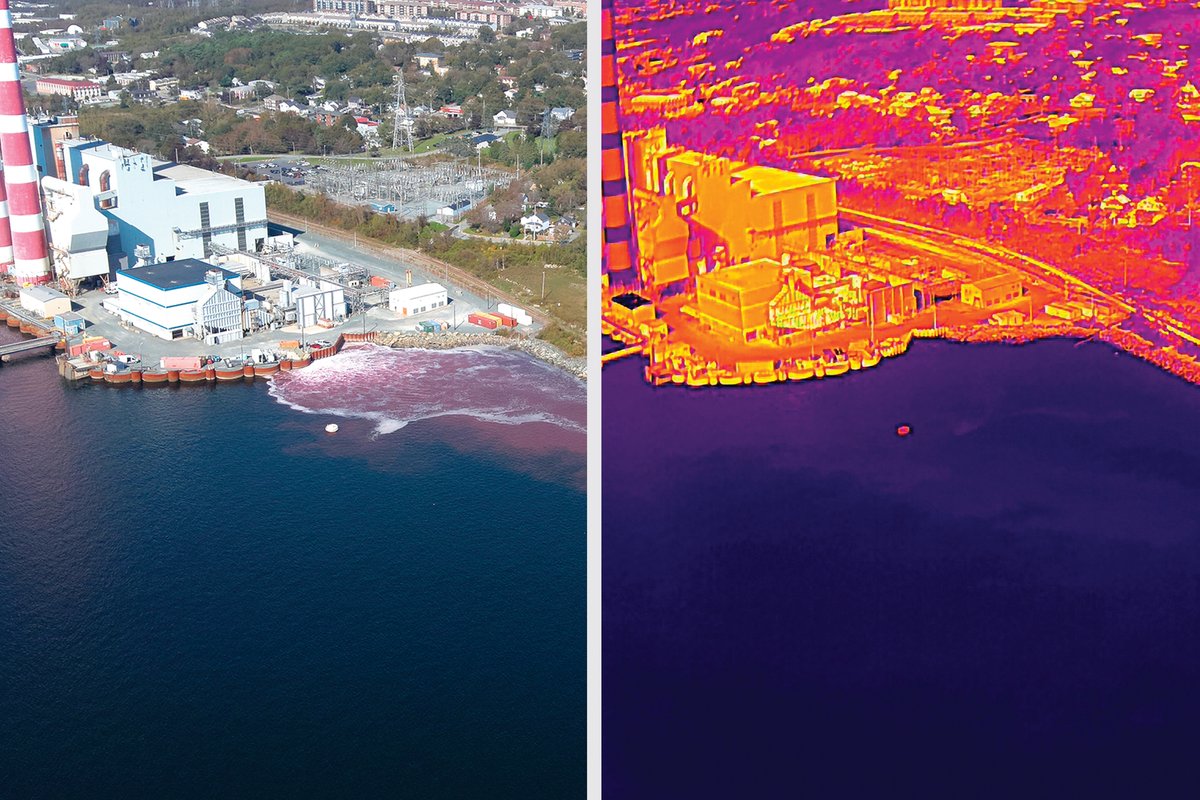
Start‑up teams are beginning to test large‑scale experiments that pull carbon dioxide from the air and dissolve it in the ocean, hoping to lock away the gas for centuries. Running Tide, Project Vesta and Ocean Alkalinity have each launched pilot plants on the U.S. West Coast and in the North Atlantic this spring, using towers, mineral grinding and seaweed farms to move CO₂ from the atmosphere into seawater. The first results are being streamed to investors and regulators as the companies race to prove the concept before the 2030 climate deadline.
The push comes as climate scientists warn that cutting emissions alone will not keep warming below 1.5 °C. The Intergovernmental Panel on Climate Change says the world will need to remove 10‑20 gigatonnes of CO₂ a year by mid‑century, a scale far beyond the handful of direct‑air‑capture plants that currently exist. The ocean already stores about a quarter of all anthropogenic CO₂, but most of that absorption is passive and drives acidification. By actively adding alkaline minerals or growing carbon‑rich seaweed, the start‑ups aim to boost the ocean’s capacity to hold carbon in a chemically stable form while limiting pH changes.
Running Tide’s floating seaweed farms are designed to grow kelp that captures CO₂ through photosynthesis, then sink the biomass in deep water where it decomposes slowly. Project Vesta spreads finely ground olivine on beaches, a process that naturally converts CO₂ into carbonate minerals as the rock weathers. Ocean Alkalinity pumps seawater through reactors that dissolve calcium hydroxide, raising alkalinity and allowing more CO₂ to become dissolved bicarbonate. Together the projects have raised roughly $70 million in private capital and secured partnerships with the U.S. Navy and European research institutes. Early data show that a single reactor can neutralize the emissions of about 10,000 cars per year, while a kelp farm of one square kilometre could sequester up to 100,000 tonnes of CO₂ annually. Critics, however, point to the lack of long‑term monitoring and the risk of unintended ecological effects, urging rigorous field trials before any commercial rollout.
Regulators in the United States, the European Union and Australia are drafting frameworks that would classify ocean‑based carbon removal as a verifiable climate mitigation activity, potentially unlocking carbon‑credit markets. The start‑ups plan to scale up to multi‑gigatonne capacity by the 2030s if pilot results hold up, but they will need clear guidelines on marine impact assessments, permitting and verification. If the technology proves safe and effective, it could become a critical complement to land‑based removal, offering a way to tap the planet’s largest carbon sink while buying time for emissions cuts to take hold.
Read Full Story at Scientific American →