US to withdraw troops from Iraq by Sept. 30
US troops will withdraw from Iraq by September 30, contingent on disarming Iran-backed militias to ensure stability. This exit shifts US strategy from military presence to economic partnership, specif
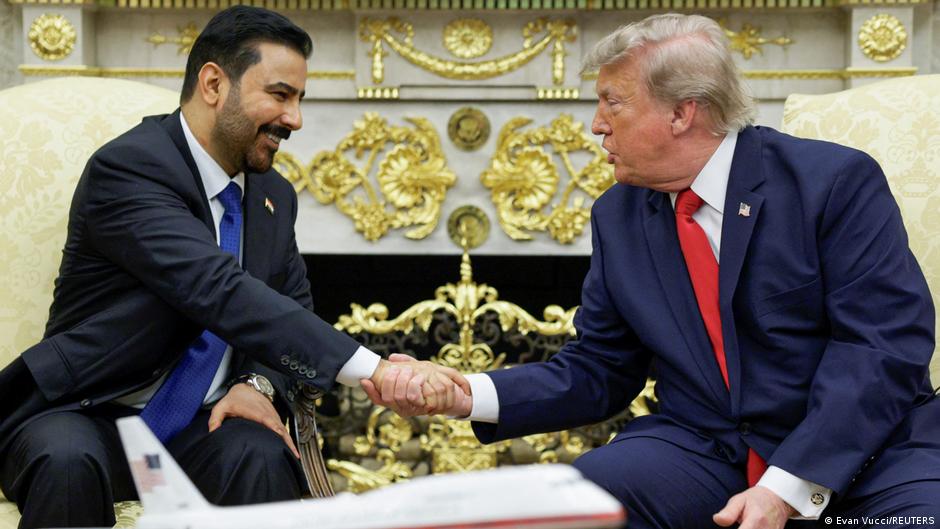
US troops will leave Iraq by September 30, the country’s prime minister, Ali al‑Zaidi, announced during a meeting with President Donald Trump in Washi
Read Full Story at DW World →Why This Matters
The U.S. troop withdrawal from Iraq by September 30 marks a fundamental recalibration of America’s post-9/11 military footprint in the Middle East, signaling a pivot from boots-on-the-ground engagements to a more transactional relationship with Baghdad. This shift underscores Washington’s growing prioritization of economic leverage over direct security commitments, a model likely to influence future deployments in Syria and Afghanistan where similar strategic ambiguities persist. The decision also tests Iraq’s ability to balance its reliance on U.S. counterterrorism support with the political pressures of accommodating Iran-backed factions.
Background Context
Since the 2003 invasion and the subsequent rise of ISIS, Iraq has been a linchpin of U.S. military policy in the region, with troop numbers fluctuating between 5,000 and 2,500 in recent years as the fight against terrorism evolved. The presence of Iranian-backed militias like Kata’ib Hezbollah and Asa’ib Ahl al-Haq has complicated U.S.-Iraq relations, with Baghdad often caught between Washington’s demands for disarmament and Tehran’s influence over these groups. The 2020 U.S. airstrike that killed Iranian Quds Force commander Qasem Soleimani and Iraqi militia leader Abu Mahdi al-Muhandis further strained bilateral ties, leaving a legacy of mutual distrust.
What Happens Next
Iraq’s fragile government now faces the dual challenge of preventing a resurgence of ISIS while navigating the withdrawal’s security vacuum, potentially relying on untested local forces or regional allies like Jordan and the UAE for support. The economic partnership framework—expected to focus on energy and reconstruction—will test whether Baghdad can leverage its oil wealth to offset the loss of military aid, especially as global energy markets remain volatile. Meanwhile, Iran-backed militias may exploit the transition to consolidate power, raising the specter of renewed sectarian violence or direct clashes with remaining U.S. advisors.
Bigger Picture
This withdrawal reflects a broader U.S. trend of reducing permanent military presences in favor of episodic, high-impact interventions—a strategy already evident in Africa’s Sahel region and parts of the Indo-Pacific. It also highlights the diminishing returns of large-scale troop deployments in post