Scientists investigate death of 500 Adélie penguins in Danger Islands
Over 500 Adélie penguins were found dead on the Danger Islands in March 2024, but a viral outbreak was ruled out as the cause. This incident highlights the challenges of diagnosing wildlife mortality…
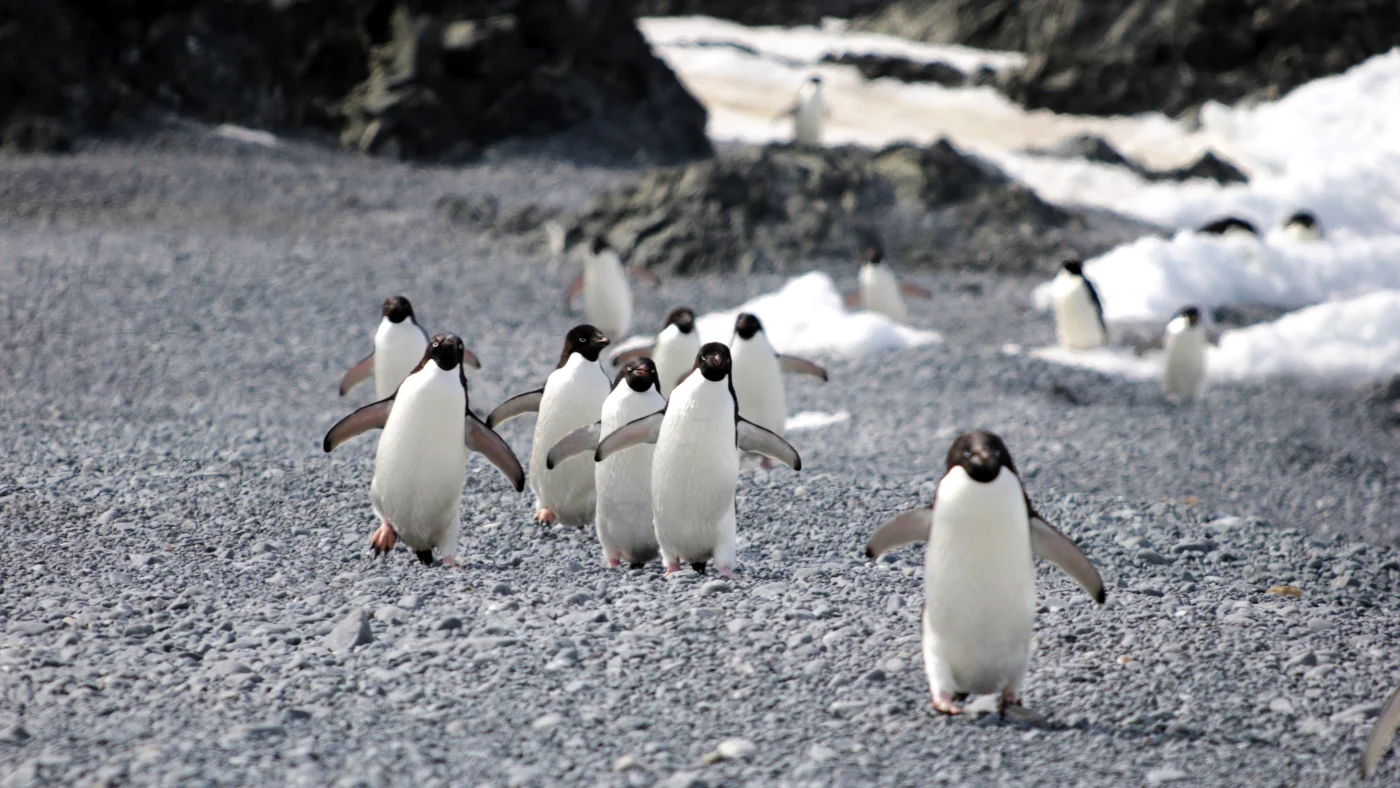
Scientists have confirmed that more than 500 Adélie penguins died on the Danger Islands in early 2024, but a virus was not to blame. The mass die‑off was discovered in March when wildlife veterinarian Dr. Ralph Vanstreels and his research team arrived at a landing ramp on one of the islands off the Antarctic Peninsula and found a line of bird carcasses stretching the length of an airport runway. Their quick survey counted 537 dead penguins on the ramp alone, and they estimate that thousands more perished across the two mega‑colonies that call the islands home.
The team had expected a viral outbreak because a contagious disease had been sweeping the region earlier in the year. Vanstreels, based in Argentina and working with the University of California, Davis, described the scene as a “snow‑covered bump” that could have been a rock or a dead bird. Intensive searching through the snow revealed the true scale of the tragedy. The researchers could not conduct a full count before ice conditions forced them to leave, but the sheer number of bodies suggested a catastrophic event beyond a simple infection.
The discovery has broader implications for how scientists track wildlife disease. While the penguin deaths were unrelated to the virus initially suspected, the episode underscores the difficulty of diagnosing mass mortality in remote areas. The timing coincided with a separate bird‑flu scare in Australia, where the H5N1 virus finally arrived in June after six years of absence. Researchers had assumed the virus would arrive from Southeast Asia via migratory birds, yet it entered from the opposite direction, highlighting the unpredictable pathways of disease spread.
The findings point to a need for stronger surveillance of Antarctic wildlife and faster response teams capable of working in extreme conditions. Vanstreels’ team plans to return later in the season to collect samples and determine the actual cause, whether it be a toxin, environmental stressor, or another hidden pathogen. Understanding this event could improve global early‑warning systems for animal disease and help prevent similar die‑offs in other vulnerable species.
Read Full Story at NPR Health →