Where Opposition to Data Centers and Renewable Energy Projects Converge
Opposition to data centers and renewable energy projects is converging in the Midwest, where a proposed 250‑megawatt data‑center complex in rural Iowa has sparked the same visual‑impact, environmenta…
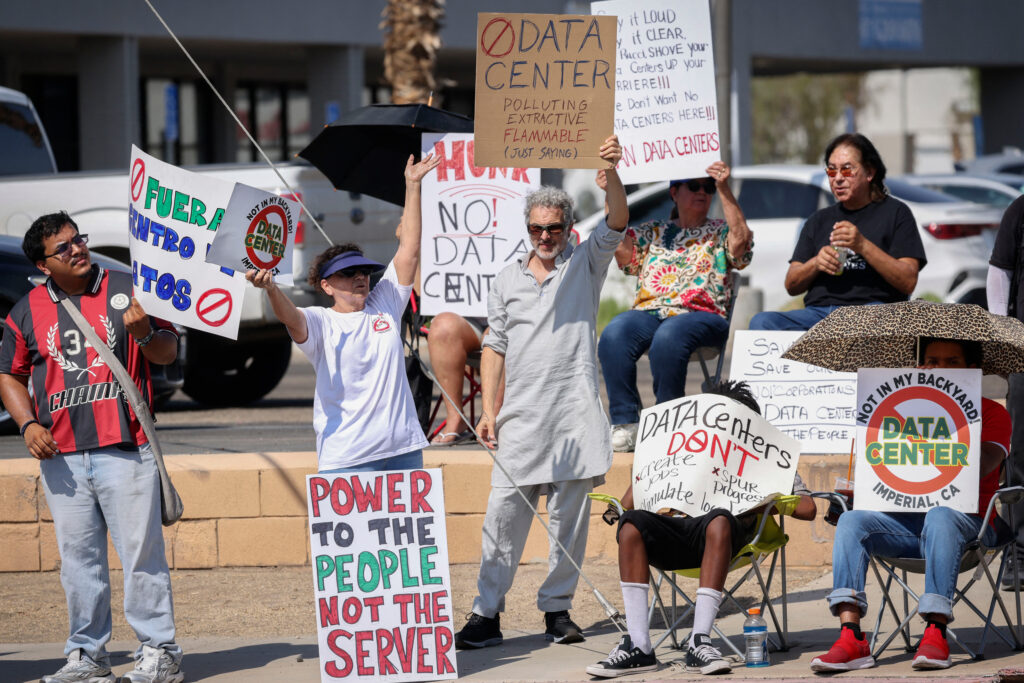
Opposition to data centers and renewable energy projects is converging in the Midwest, where a proposed 250‑megawatt data‑center complex in rural Iowa has sparked the same visual‑impact, environmental‑harm and property‑value concerns that have long opposed wind farms and solar arrays. The project, announced in September 2023 by a leading cloud‑services provider, would sit on 200 acres of farmland and bring a 5‑kilowatt‑hour battery storage system to the site. Local residents and the county planning board have filed formal objections, arguing that the tall cooling towers and new power lines would mar the landscape and reduce nearby property values.
The trend matters because both data‑center demand and renewable‑energy deployment are accelerating. U.S. data centers now consume roughly 1% of national electricity—about 70 terawatt‑hours per year—and the sector is expected to grow 10% annually as cloud usage rises. At the same time, the country is adding more than 10 gigawatts of solar and wind capacity each year to meet climate goals. Communities that have historically opposed wind turbines and solar farms are now confronting the same issues with a new type of infrastructure that also promises jobs and tax revenue. The clash highlights a broader question: can the digital economy grow without compromising local environmental and aesthetic values?
Local officials and residents cite studies showing that large data‑center facilities can reduce property values by up to 8% in surrounding areas and increase local water use by 30% for cooling. A county assessor’s report estimates that the proposed complex could lower the average home price in the adjacent township by $15,000. The data‑center developer has countered that the facility will use advanced cooling technology that recycles heat and will provide 150 full‑time jobs. Environmental groups have joined the opposition, pointing to the carbon footprint of data‑center operations and the lack of renewable energy credits for the facility’s power supply. The dispute has already moved to a public hearing scheduled for November, with potential legal challenges on the horizon.
What happens next will set a precedent for how future tech infrastructure is integrated into rural landscapes. If the county approves the project, it could signal a shift toward more aggressive data‑center development despite community pushback. Conversely, a rejection might force developers to adopt stricter environmental and visual standards, or to partner with renewable‑energy projects on the same site to offset impacts. The outcome will influence how states balance economic growth with community well‑being, a debate that will intensify as the demand for digital services and clean energy continues to rise.
Read Full Story at Inside Climate News →